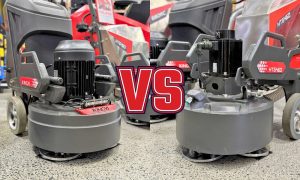

Planetary grinders have become the go-to machines for tradies who handle concrete floor grinding and polishing work. The triple-head design offers better consistency and smoother finishes than older single-disc grinders, making them perfect for large surface areas or jobs that demand a fine polish. They’re made for the tough stuff, whether you’re refurbishing a warehouse floor or levelling out slabs before a coating goes down. But just like any machine that does a big job, they need every part working properly to run efficiently.
One problem that often gets overlooked is poor water flow during grinding. Whether you’re wet grinding for dust management or surface cooling, blockages or weak flow can ruin more than your polished finish. They can cause tool damage, wasted time, and fixable mistakes that set you back days. Knowing the warning signs and how to manage water flow properly can keep your gear running strong, help your diamond tools last longer, and give you results that actually reflect your skill.
Even the best machines can cause headaches when the water flow system isn’t set up right or gets neglected. If your planetary grinder uses water for cooling and dust suppression, issues with flow can throw the whole job off.
Here are some of the most common issues tradies bump into:
1. Clogged nozzles
Grinder water outlets are located close to the business end of the machine. Concrete slurry, dust buildup or leftover residue can block these nozzles, stopping water from reaching the surface evenly. That leads to aggressive friction and uneven wear on the blades.
2. Low or unstable water pressure
Poor pressure in the system results in inconsistent cooling. That’s a real problem when doing longer passes across slabs or tackling bulk removals with aggressive tooling. Sometimes, pressure drops completely, stopping flow mid-job and leaving half-finished work.
3. Faulty or worn pump
If the onboard pump can’t push out enough water, you’ll feel it in everything from cooling performance to clean-up. A clogged or worn pump often can’t deliver the steady output your system needs, taking a toll on precision and speed.
Each of these issues directly cuts into your grinding performance. Without enough water to cool the surface and tools, friction spikes quickly. This adds wear and tear to your machine and can cause the diamond segments on your disc to glaze over or wear unevenly. Before long, you’re replacing tools that should have lasted longer or dealing with patchy results that need reworking.
Even simpler mistakes like misconnected water lines or pinched supply hoses can cause inconsistent flow. Frequent system checks and cleaning save time long term, especially when you catch problems before they cause surface damage or equipment stress.
Grinders that aren’t getting the right water flow tend to speak up fast. If you’re paying attention to how your machine handles, you’ll spot the warning signs early. Most tradies can feel it when a job doesn’t run smoothly. The machine starts working harder, slabs heat up quickly, and finishing quality drops.
Look out for signs like:
– Uneven finish across the slab
If you’re seeing variations in texture, colour or smoothness, it’s often a sign water isn’t being delivered evenly across the surface.
– Premature tooling wear
If segments on your diamond tools are burning out or looking lopsided, poor water coverage is likely causing dry grinding conditions. Water eats heat, and without it, tools take more of a beating.
– Excessive vibration or noise
Grinding should sound smooth. If you’re getting more rattles or resistance than usual, the head or segments might be running too hot due to lack of cooling.
– Overheating machine surfaces
When the gearbox or top surface feels hotter than it should during use, there’s probably cooling loss from poor water flow. Some machines have thermal cut-offs, but don’t rely on getting to that point.
– Slurry forming wrong
Water helps make the slurry consistent. If your mix looks too thick or dries up fast, it’s a signal of poor or uneven water input.
Spotting these symptoms early saves future hassle. Many issues can be fixed on the spot with a quick flush, hose swap or nozzle cleanup. The machine and tooling usually give enough warning before proper damage happens.
Fixing water flow issues on your planetary grinder doesn’t need to be a massive task. Staying on top of a few small checks keeps your machines purring and your finishes smooth.
Here are some basics every tradie should keep in mind:
– Clean your nozzles regularly. Even when they seem clear, they can clog with fine concrete particles that slowly build up.
– Check hoses for kinks, sharp bends, or compression. If a hose looks fine from outside but isn’t feeding water right, it could be pinched or blocking flow inside.
– Inspect your pump often. Sudden drops in performance or weird noises usually mean the pump’s got grit in it or it’s wearing out. Don’t just wait until it fails completely.
– Use correct pressure. More isn’t always better. Stick to the manufacturer’s suggested pressure range, otherwise you might over-saturate the surface or cause splash issues.
– Flush the system after every use. Dirty water left to sit breeds sludge, and that’s a clog waiting to happen. Get into the habit of a quick cleanout before pack-up.
If your grinder has a filtering component, make sure it’s cleaned or replaced properly. Filters full of silt or slurry can cause backups all through the line. It’s often one of the most overlooked spots when troubleshooting.
If you’re rotating between wet and dry cutting jobs, give every water fitting a double check. A poorly seated line or a connector with an air pocket can limit output right where you need pressure most.
Even if water flow isn’t part of your angle grinder or cut-off grinding jobs, handling blades properly still matters over time. Sloppy habits wear blades down faster, make cuts noisier, and can chew through material when precision counts.
Here are a few quick reminders when switching between blades or swapping tasks:
– Match the blade to the material. Using the wrong blade just once or twice can cut its life in half or deliver a shoddy result.
– Don’t overload blades. If you’re seeing one edge going faster than the other or you feel resistance building, stop and rebalance your method.
– Let them cool down during heavy use. Heat isn’t always visible, but it does damage silently when you don’t give blades the time to rest between passes.
– Store all blades dry and flat. Sunlight, rain exposure or storage near vibrating tools can speed up deterioration or lead to warping.
Whether you’re cutting tile, shaping concrete edges, or prepping cracks for fill, sharp and healthy blades take some of the load off your back and let the finish speak for itself.
Once you’ve sorted out water delivery and consistency, your grinder becomes noticeably easier to use. Tooling glides better, and pass quality jumps straight away. Clean water helps prevent burn-through, stops slurry from caking up wrong, and produces a more uniform finish. It usually takes fewer passes to get the result you want.
The difference is especially clear when using heavier segments during slab prep. Where you’d normally deal with dry edges or stop-start motion due to rough cooling, steady water smooths the whole process out. Your discs run cleaner, diamond tips last longer, and you won’t have to double back to fix patchy spots.
It also cuts down clean-up. Slurry handles better when your water system works as it should. There’s less dust floating around and less mess clogging up drains. If you’re working big jobs or split shifts, that matters more than you think in your schedule.
Getting your grinder’s water system sorted is one of those small wins that adds up fast. Less wear and tear, better finishes, and less rework means more time pushing ahead on jobs rather than looking back.
If you’re switching between different cutting tools and grinding setups every week, keeping your eyes on setup, water delivery and tool condition puts you miles ahead. It helps your investment last, protects your reputation, and makes your working day smoother. For any tradie in the concrete game, clean flow equals clean results.
For tradies who want smoother results and longer tool life while working on concrete floors, upgrading to reliable planetary grinders can make a real difference. Auskut Diamond Tools offers gear that helps you grind more efficiently and keep your projects running without unnecessary delays.

Sign up to our email newsletter and we’ll send you a 10% discount code for your next order. No spam. We hate it as much as you do. Unsubscribe anytime.
10% off eligible products on orders up to $300. One use per customer.
Terms and conditions apply.