

Getting your planetary grinder set up right from the start can save a lot of time and rework. Whether you’re changing job sites or working with new flooring material, the way you prepare your grinder matters. It affects how smooth the finish looks, how long it takes you, and how hard the machine needs to work. Taking a few extra minutes at the beginning of the job to set everything correctly can make a big difference by the end of the day.
Floor types all handle differently under a grinder, and one setup won’t work for every job. What works on a soft concrete slab won’t get the same result on a polished terrazzo lobby or a stone surface. Getting familiar with the materials you’re working with, as well as understanding how your planetary grinder responds to them, is a big part of getting a clean, professional finish without pushing the machine or your crew too hard.
Picking the right setup starts with understanding what kind of surface you’re dealing with. Different floors come with their own quirks. Not all concrete is the same, and grinding soft, porous concrete is very different from working on a hard-trowelled slab. Then you’ve got stone surfaces or hybrid surfaces that throw another layer of challenge into the mix.
Here are a few common floor types and what you need to consider when prepping for them:
Each material responds differently to tooling pressure, speed, and diamond hardness. If you jump straight into the job without adjusting your machine for the surface, there’s a good chance you’ll get uneven results or wear through your tools faster than needed.
Knowing what kind of surface you’re stepping onto is half the battle. Once you’ve figured that out, you’re ready to start prepping your gear properly for the material you’re working with.
Before starting any grind, a quick inspection of your machine helps prevent bigger issues later. Whether it’s a job you’re just starting or an ongoing one, routine checks on your planetary grinder can save you from delays mid-way through.
Here’s a simple prep routine most crews follow:
An easy example is a crew grinding an office space on a high-finish terrazzo floor wanting a bright polish. But their grinder was still fitted with segments from a rough concrete job. It left scratches and cost them hours of rework. A simple check could’ve avoided that.
Taking a few moments to double-check your setup and maintain your gear goes a long way to saving money, protecting your tools, and getting the job done to standard. These extra steps upfront keep your planetary grinder running smooth across every surface.
Once your grinder is prepped and you’ve sorted out the tooling, the next step is tweaking the machine for peak performance. Even a quality planetary grinder will struggle if the speed, pressure, or direction isn’t right for the floor beneath it. A machine doing too much or too little can damage the surface or burn through your diamonds way too quickly.
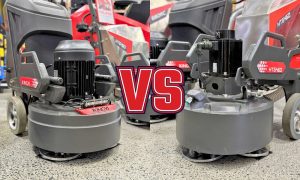
Start with the machine’s rotation setting. Most planetary grinders offer two modes: planetary rotation and contra-rotation. Planetary rotation, where the heads and the plate spin in the same direction, is more aggressive and suits removal jobs or rough grinding. Contra-rotation, where the plate and heads spin opposite each other, is better for smoother polishing and finer finishes.
Speed is another one to look at. Higher RPM doesn’t always mean better results. On softer floors, going too fast can clog the tooling. On harder floors, too much speed with light pressure will just skate across the top. Find a balance that lets the diamond segments bite into the surface without overheating or leaving inconsistent marks.
As for grinding pressure, too much weight can dig into the floor, and not enough leads to uneven results. Adjust based on floor density and the result you’re chasing. For a fresh slab you’re prepping for coating, more weight and lower speed might work best. If you’re doing that final polish on a commercial floor, less weight and higher speed can help bring out that reflective finish.
Don’t ignore edge clearance either. Some planetary grinders let you adjust how close you get to skirting and walls. If your job scope includes tight edges, take a moment to dial that in before you start.
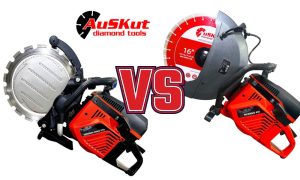
Beyond grinder setup, another big part of a good outcome is blade and disc selection. It’s easy to forget how much difference the right blade makes, especially on jobs where you switch between materials or tooling types. Whether you’re using angle grinders for detail work or larger discs for bulk removal, the wrong blade will slow things down or leave a poor finish.
On softer concrete, use a harder bonded blade or disc to avoid rapid wear. For dense surface coatings or tiles, softer bonds provide better grip and faster cutting. If you’re dealing with something coated or two-layered, go for a turbo segment or a PCD style for cutting through the tough topcoat first. Once that’s gone, swap in a different disc for the base layer below.
When you’re working surfaces like terrazzo or marble, take extra care with blade grit and shape. Higher grit blades or polishing pads are your go-tos once grinding is done. Low grit discs on fragile surfaces can leave deep scratches that are hard to fix later.
Quick tip: keep a few spare sets on hand with labels noting what they’ve been used on. It saves time and avoids the risk of using something half-worn on a new surface.
Effective grinding is about more than running your machine up and down. Each floor type has its own ideal approach, and knowing a few techniques will help your results stand out on a job.
One contractor we spoke with had been struggling with polish consistency across sections of polished concrete in a new shopping centre. Turned out they were applying uneven weight on the grinder as they moved, not keeping the plate flat. Once they corrected that and switched from turbo segments to smoother resin-bound pads, each pass looked better and quicker.
Getting the right result with a planetary grinder comes down to details. Each step, from checking your plate setup to picking the best grinding pressure, adds predictability to your workflow. These machines are built to handle demanding jobs, but if they’re not dialled in properly, they can waste time, wear excessively, or even wreck your finish.
Make regular checks part of your routine. Before and after every job, track how each diamond segment held up, keep your machine clean, and log any adjustments that worked well for certain surfaces. This isn’t just about maintenance. It helps you build consistency and confidence across projects.
For teams handling concrete finishes week in and week out, or if you’re taking on slower terrazzo or natural stone projects, understanding how your grinder interacts with the floor saves everyone headaches. Smooth finishes, minimal tool swap-outs mid-job, and less corrective work. That’s the goal. Handling your gear right means your outcomes hold up from job to job, and you get to move onto the next one faster.
To get better results on the job, work with tools that are built for tough surfaces and changing site conditions. At Auskut Diamond Tools, our range of planetary grinders is made to handle different flooring types with clean finishes and efficient output, helping tradies and contractors keep projects on track with less downtime.

Sign up to our email newsletter and we’ll send you a 10% discount code for your next order. No spam. We hate it as much as you do. Unsubscribe anytime.
10% off eligible products on orders up to $300. One use per customer.
Terms and conditions apply.