
Dust can sneak into every part of a site – from machines to lungs – if it’s not under control. Whether you’re resurfacing a shopping centre slab or grinding back coatings in a warehouse, dust management is more than just ticking compliance boxes. It’s about keeping the crew safe, the timetable on track, and your machines running without choking up.
On big commercial sites, delays caused by poor visibility, clogged filters, or machines stalling under dust loads cost serious time. That’s why demand for effective dust extraction has grown across Australia – especially in enclosed spaces like basements, car parks, and shopping centres where airborne dust spreads fast.
The right dust control setup saves headaches later. Get it right from the start and you’ll work cleaner, faster, and safer.
Dust extraction isn’t about cleaning up after the cut – it’s part of the job itself. Grinding concrete, polishing slabs, or cutting joints all create fine silica particles. Without control, those particles hang in the air, coat gear, and put workers’ health at risk.
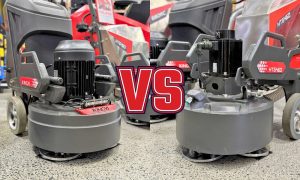
We see it often: planetary grinders running without the right extractor. Within an hour, filters are clogged, suction is gone, and just as much dust is in the air as before.
A proper setup makes a clear difference:
Good dust control isn’t about throwing more machines at the job – it’s about matching the extractor to the tool and the workload.
Every reliable dust control system on a commercial site comes down to five key components:
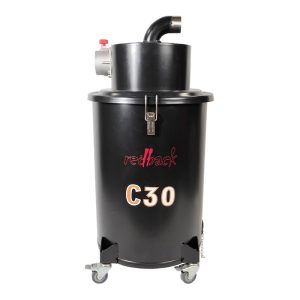
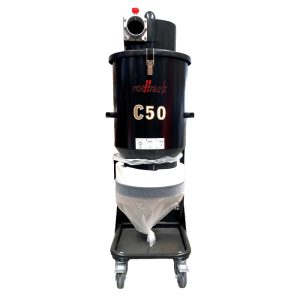
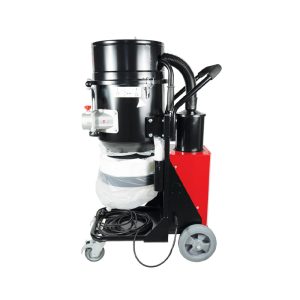
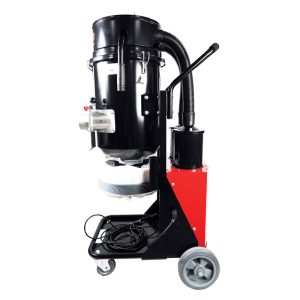
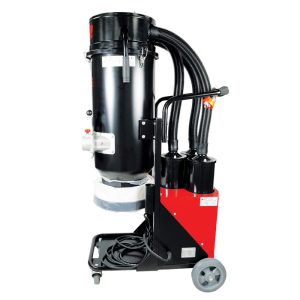
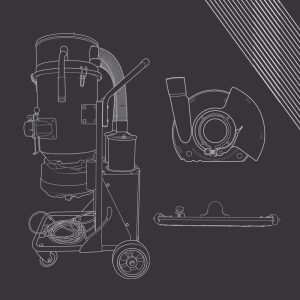
H-Class Dust Extractor
The backbone of the setup. Auskut’s Redback H-Class extractors are designed specifically for fine concrete dust and meet silica safety standards.
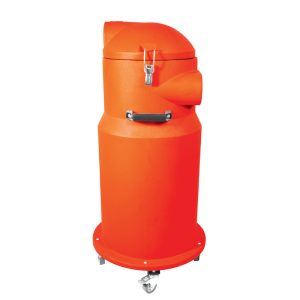
Auskut Separator
Takes the bulk load before it hits the vac, trapping heavy particles and protecting filters. Essential on long shifts or large slab jobs.
High-Efficiency Filters (HEPA)
Traps the ultra-fine dust before it escapes into the work area. Must be sealed and maintained properly.
Vacuum Hoses & Adaptors
Connects grinders, saws, or polishers to the extractor. Auskut supplies heavy-duty hoses, joiners, and cuffs to keep everything sealed tight.
Filter Purging
Auskut H-Class extractors are fitted with manual purging systems. A quick purge clears blockages, restores suction, and keeps you grinding without long interruptions.
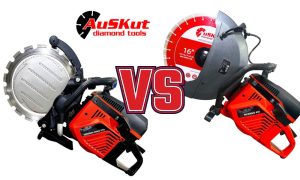
When pairing machines, remember: a planetary grinder creates a different dust load than a 7” hand grinder or a 20” road saw. Match extractor size to the job, not just the machine brand.
Plan your dust control setup before the job starts – not after dust is already in the air.
General best practice:
Assess the slab or surface – soft floors vs hard floors produce different dust loads.
Match the grinder or saw with an extractor sized for its output.
Fit dust shrouds snug to the machine to stop fine particles escaping.
Position the vac close to the tool but with enough clearance for movement.
Run a suction check – weak airflow often means a blockage or filter issue.
Purge filters regularly – don’t wait until suction drops.
Vacuum floors during the shift instead of leaving piles of loose dust.
Empty full bags or bins away from work areas to stop recirculation.
If you can see dust floating or coating nearby surfaces, your system isn’t matched right. The cleaner the site, the easier it is to hit deadlines and keep people safe.
A tight dust control setup does more than clear the air – it keeps everything moving. Crews stay focused, machines run cooler, and the site stays productive.
On one car park resurfacing job, a team ran heavy planetary grinders straight into vacs with no separator. By mid-morning the filters were clogged solid. After switching to an Auskut separator, they ran the rest of the project without a single reset.
The same goes for cutting work. Saws and grinders fitted with proper hoods stop fine silica particles from blowing out. It’s not about spotless rooms – it’s about breathable air, less downtime, and longer tool life.
Commercial projects only run smooth when dust is under control. By pairing the right extractor, separator, and shrouds to the machine, and purging filters regularly, you’ll keep the site clear and compliant.
Cleaner worksites aren’t just safer – they save time, protect your gear, and improve results.
Auskut Diamond Tools supplies H-Class extractors, separators, hoses, shrouds, and accessories built for concrete grinding, cutting, and polishing. With the right setup, you’ll cut the dust, protect your crew, and keep projects moving from start to finish.

Sign up to our email newsletter and we’ll send you a 10% discount code for your next order. No spam. We hate it as much as you do. Unsubscribe anytime.
10% off eligible products on orders up to $300. One use per customer.
Terms and conditions apply.