
Whether you’re grinding a slab, polishing a floor, or cutting with a hand saw indoors, dust control is one of the biggest challenges. Concrete dust doesn’t just settle on your gear and floor – it lingers in the air, clogs your lungs, and makes visibility poor. In confined areas, the problem only multiplies.
Dust collection isn’t just a clean-up job for the end. It needs to be planned before the grinder, cutter, or saw even starts. A proper dust extraction system keeps air breathable, jobs flowing, and tools in better shape for longer. Set it up right from the start and you’ll save yourself wasted time, extra cleanup, and unnecessary wear on your gear.
If you’ve worked indoors and come home with dust in your nose and on your skin, you know why extraction matters. Concrete dust is mainly silica – hazardous if inhaled – and it doesn’t sit still. It floats, sticks, and spreads into every surface.
A matched dust extractor captures the dust at the source, before it drifts through the room. Connect your vacuum to the grinder, cutter, or hand tool and you’ll instantly cut down airborne particles, improve safety, and make cleanup easier.
Less dust also means longer tool life. Fine dust can jam bearings, block housings, and overheat motors. Keeping dust out extends tool lifespan and reduces repair bills. For flooring contractors, especially with planetary grinders, dust control is critical. These machines generate huge amounts of fine silica dust – and without an industrial-rated vacuum connected at the shroud, it will spread fast.
The right system depends on the job size, machine type, and dust volume. Here are the main options:
Portable dust extractors – Compact and mobile, good for moving between rooms or smaller jobs. Plug straight into hand grinders or polishers. Lower capacity than industrial systems.
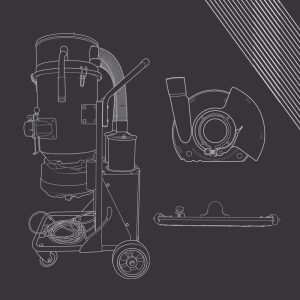
Industrial H-Class vacuums – Built for concrete dust. Bigger bins, stronger suction, and compliant with Australian silica regulations. These are the standard match for planetary grinders, road saws, and high-output gear.
Integrated tool extractors – Many Auskut grinders and saws are vacuum-ready, with dust ports designed for direct connection. This captures dust at the disc level for maximum control.
For heavy floor prep, pair a grinder with an H-Class vacuum and separator. If your vac can’t keep up with the output, it will clog filters, lose suction, and slow the job down. Always make sure the extractor is sized for the tool.
Before firing up a grinder or cutter, confirm your extractor is fit for the workload. Planetary grinders cover a lot of slab quickly, so they need an extractor with high airflow and continuous-duty capacity. Adding dust skirts and quality hoses makes the capture even tighter.
Key checks: capacity, suction, and filtration. Concrete dust is fine and sticky – it blocks filters fast. Extractors with automatic filter shakers or external cleaning keep suction strong. Auskut’s separators also pull out bulk dust before it reaches the vac, extending filter life.
Purging is key. Concrete dust is fine, heavy, and relentless – it clogs filters fast. That’s why Auskut’s Redback H-Class extractors are built with manual purging systems. A quick purge clears filters on the spot and keeps suction strong. Pairing the vac with our Redback separators takes the load off the filter even further, trapping most of the dust before it reaches the machine. Together, this setup keeps airflow high and downtime low, exactly what you need on big slab jobs.
Simple tips that make a big difference:
Use a Redback separator for high-output jobs like slab removal or heavy grinding
Purge filters regularly to keep suction strong (Auskut’s Redback H-Class vacs make this quick and simple)
Clean filters before and after large jobs to stop blockages building up
Always run fine dust-rated filters when working concrete
Use tool-specific connectors and cuffs instead of generic adapters for tighter seals
Empty collection bags/bins early — don’t let them overfill and choke suction
A well-maintained extractor doesn’t just run better – it saves you time, reduces tool wear, and keeps dust where it belongs: out of the air.
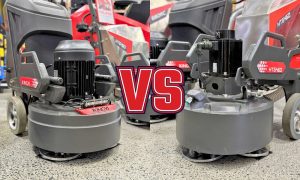
A strong vacuum is only half the battle. The right grinder setup and accessories make the biggest difference in keeping dust contained. Planetary grinders put down even pressure but generate big dust volumes. They’re best used with proper shrouds, skirts, and vac-ready fittings.
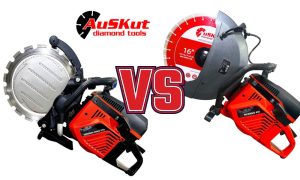
Auskut stocks rubber skirts, magnetic shrouds, vacuum cuffs, and hose joiners to keep your extractor sealed tight. For cutting, upgrading to high-performance diamond blades reduces vibration, giving more predictable dust flow and fewer microfractures that turn into airborne powder.
Recommended add-ons for better dust capture:
Flexible rubber skirts that hold up under heavy use
Magnetic rings to keep shrouds tight to the slab
Angle grinder shrouds with easy edge access
Separators to reduce filter clogging
Remember: PCD cup wheels and segments are for coating removal – not for concrete grinding. They don’t follow bond hardness like diamonds, but they do generate lots of debris. When hitting slab during removal, switch to combo PCD/diamond setups to keep control of dust.
Good dust extraction doesn’t remove the need for housekeeping. Concrete dust will still slip through in places. A clean site means fewer hazards, better handover, and less risk of dust drifting into other rooms or sensitive equipment.
Onsite habits that help:
Assign someone to check the vac system on long jobs
Replace worn skirts, brush rings, or seals early
Keep hoses and cords off the grinding path to avoid pull-outs
Always wear PPE (respirators, goggles) when cutting or overhead grinding
Blow clear around vents and electricals with a small blower
Set the job up right and dust won’t snowball into a bigger problem later.
Grinding, cutting, or polishing indoors requires more than skill on the tool – dust management is part of the trade. With high silica volumes, limited airflow, and sensitive finishes, there’s no room for shortcuts.
For larger floor jobs, the best setup is a planetary grinder paired with an industrial H-Class extractor and separator. Tight seals and strong airflow keep the dust down, the job moving, and your lungs clear.
Dust extraction doesn’t need to be complicated. It’s about planning ahead, matching vacuums to tools, and using the right accessories. Whether you’re prepping a warehouse slab or polishing a showroom floor, dust control should be part of the job plan – not just the cleanup list.
Auskut Diamond Tools supplies H-Class extractors, separators, shrouds, hoses, and accessories built for concrete work. Pair your grinder, cutter, or saw with the right extraction gear and you’ll cut the dust, protect your tools, and deliver a cleaner job from start to finish.

Sign up to our email newsletter and we’ll send you a 10% discount code for your next order. No spam. We hate it as much as you do. Unsubscribe anytime.
10% off eligible products on orders up to $300. One use per customer.
Terms and conditions apply.